Skip to content

Clear requirements before a line of code is written

Most software that disappoints was built correctly to the wrong specification. Business analysis is the work of establishing what the system actually has to do, what it is worth building, and what it will cost to be wrong, while changing any of those answers is still cheap.

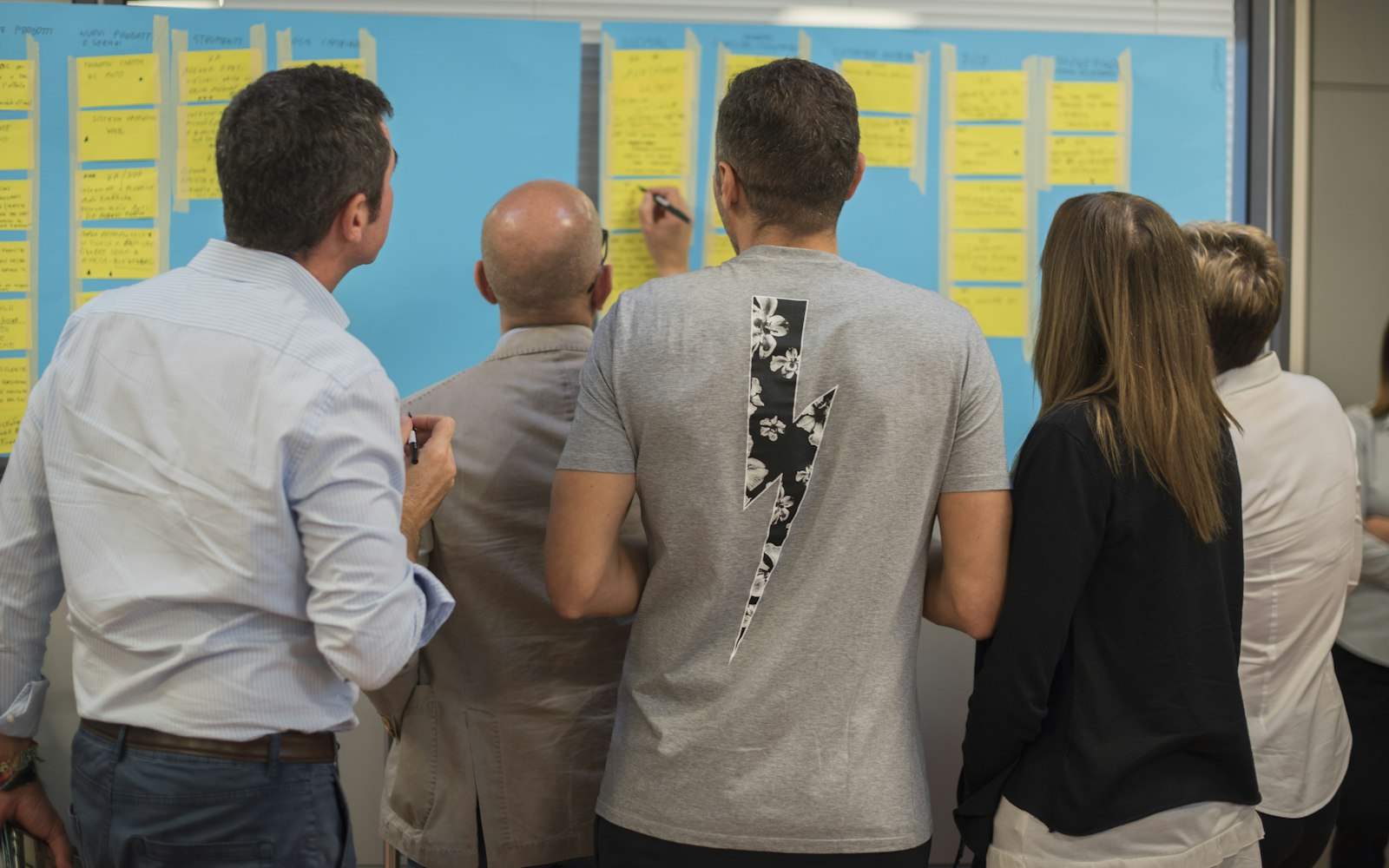
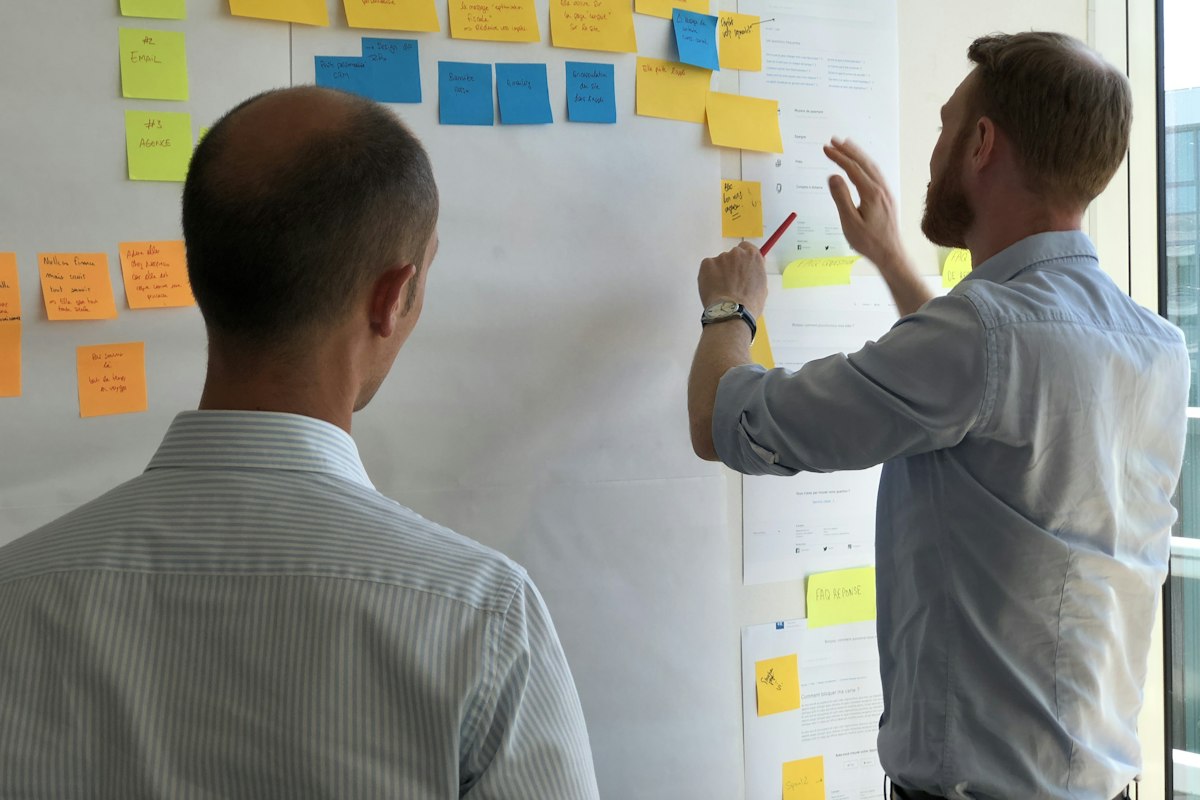
An analyst mapping requirements on a wall of sticky notes

The cheapest place to change your mind

A requirement corrected in a specification costs a conversation. The same correction made after the system is in production costs a release, a migration and whatever the wrong behaviour did in the meantime. Analysis is the point where that arithmetic is still in your favour.

Hands drawing a system diagram on paper

Written so it can be disagreed with

A specification is useful when a stakeholder can read it and say that is not what we meant. We write requirements and user stories in the language of the business rather than the language of the system, which is what makes that reaction possible before implementation rather than after it.

Feasibility work sits alongside it: whether the integration exists, whether the data is actually available, and whether the regulation permits the process anyone is proposing.

How the work runs

  1. 01

    Discovery

    We work through the current process with the people who run it, including the parts that live in spreadsheets and habit rather than in any system. That is usually where the real requirements are.

  2. 02

    Specification and user stories

    Requirements are written as testable statements and user stories with acceptance criteria, so build and sign-off are measured against the same document.

  3. 03

    Feasibility study

    Where an approach depends on an integration, a data source or a regulatory reading, we establish whether it holds before it becomes a commitment in a plan.

Ready to talk?

Tell us about your current setup and goals, and our team will put together a tailored proposal.